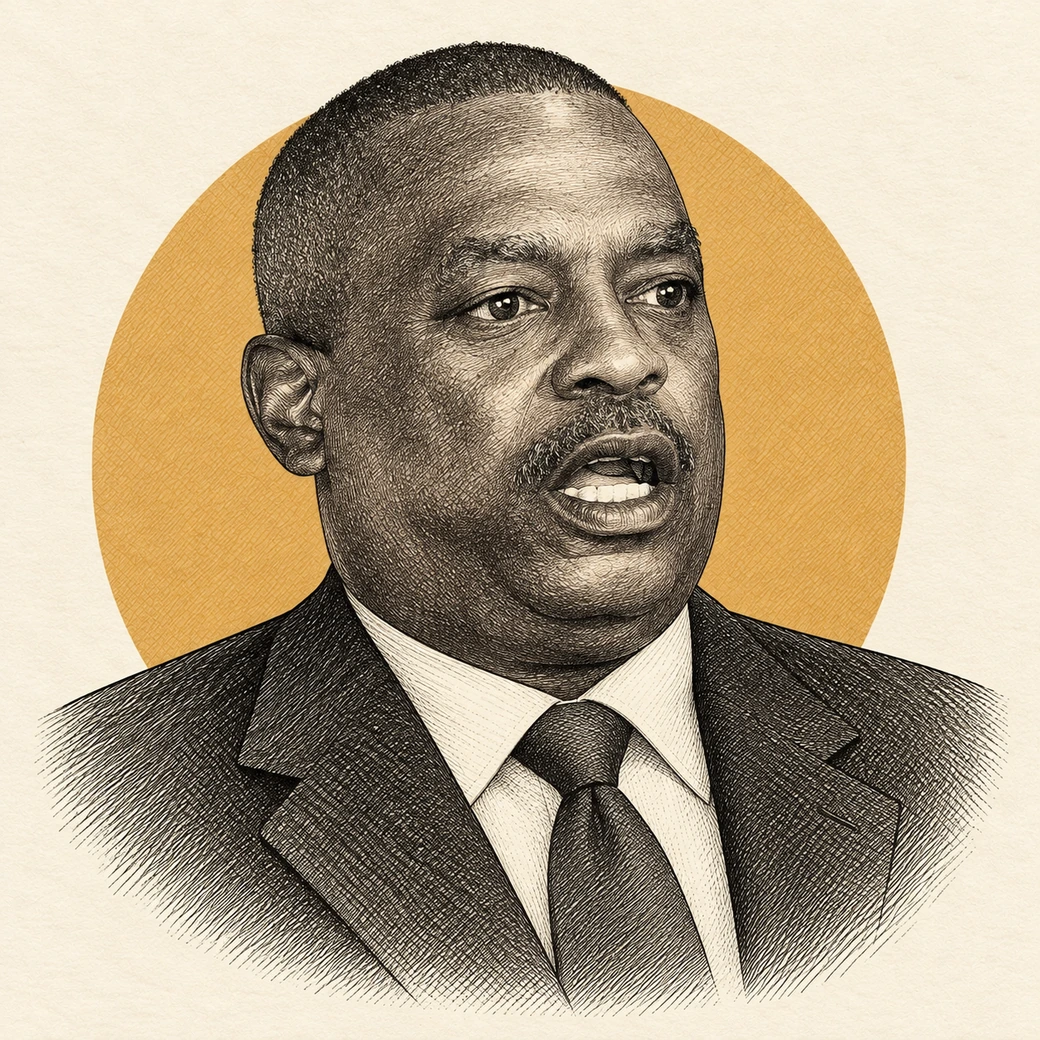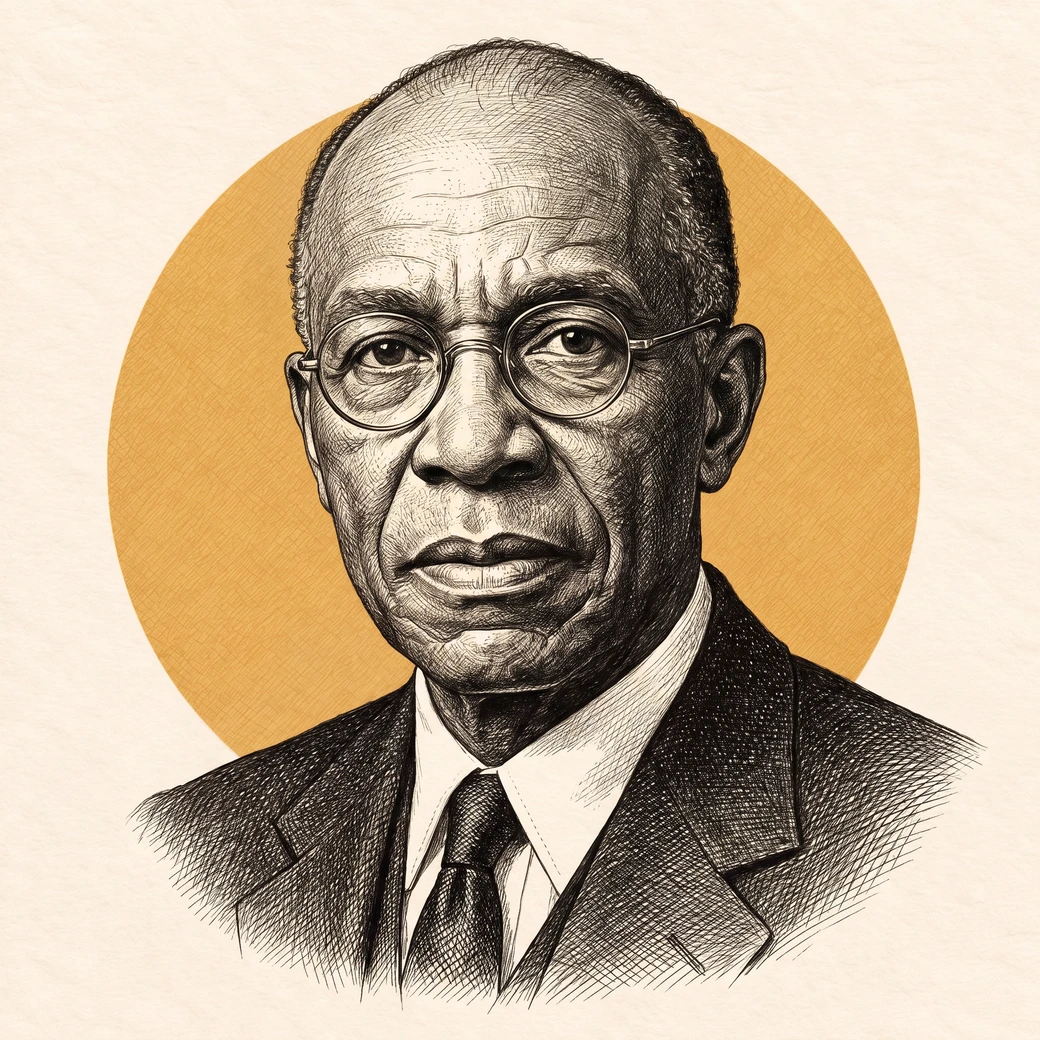
Between 1932 and 1969, William Montague Cobb led a collection project at Howard University's Laboratory of Anatomy and Physical Anthropology that assembled one of the world's leading research collections of human skeletons. Each skeleton was documented with information about the person's occupation and socioeconomic circumstances, a research resource that treated ordinary lives as evidence worth preserving. The collection let Cobb study how environments and ways of living shape the human body, and it gave him laboratory evidence to use against the racial determinism that influenced anthropology in his era.
Cobb earned his medical degree at Howard University in 1929 and a doctorate in anatomy and physical anthropology at Western Reserve University in 1932, becoming the first African American to earn a doctorate in the field. For years he remained the only Black physical anthropologist with a doctorate in the country, a standing the Cobb Institute describes by noting he was the sole Black physical anthropologist PhD before the Korean War. He returned to Howard to teach and chair its anatomy department, where he also introduced new approaches to teaching anatomy.
His professional leadership extended well beyond the laboratory. He served as president of the National Medical Association and edited its journal, the Journal of the National Medical Association, from 1949 to 1977, shaping what the country's principal organization of Black physicians published for nearly three decades. He led the American Association of Physical Anthropologists in 1958 and 1959 and served as NAACP president from 1976 to 1982, leading the country's principal civil-rights organization while remaining a working anatomist. The American Association of Anatomists honored him with its Henry Gray Award in 1980.
He died in 1990. The W. Montague Cobb Research Laboratory continues at Howard University, and the Cobb/NMA Health Institute carries his name in its work on minority health.
He published prolifically across a long career; the anatomists' account of his work counts more than 1,100 publications, and his research examined growth and development as well as aging in the adult skeleton. He also served as president of the National Medical Association's Washington, D.C. chapter.
He saw the struggle as his working condition. At 83, he told an interviewer: "I'm a seasoned fighter and the battle never bothered me."
Sources and further reading
- Cobb Professional Development Grants
- W. Montague Cobb (1904-1990) | BlackPast
- Honoring Our Namesake | The Cobb Institute
- Cobb Laboratory collection project | Howard University Provost
- William Montague Cobb | Encyclopedia of Cleveland History
- Dr. William Montague Cobb's influence went beyond medicine | American Heart Association
- William Montague Cobb, AB, MD, PhD | Anatomical Record
- W. J. Lear, William Montague Cobb, MD, PhD, 1904-1990 | PMC
- Interview with W. Montague Cobb | Howard University Digital Collections
- W. Montague Cobb, dedicated anthropologist | African American Registry