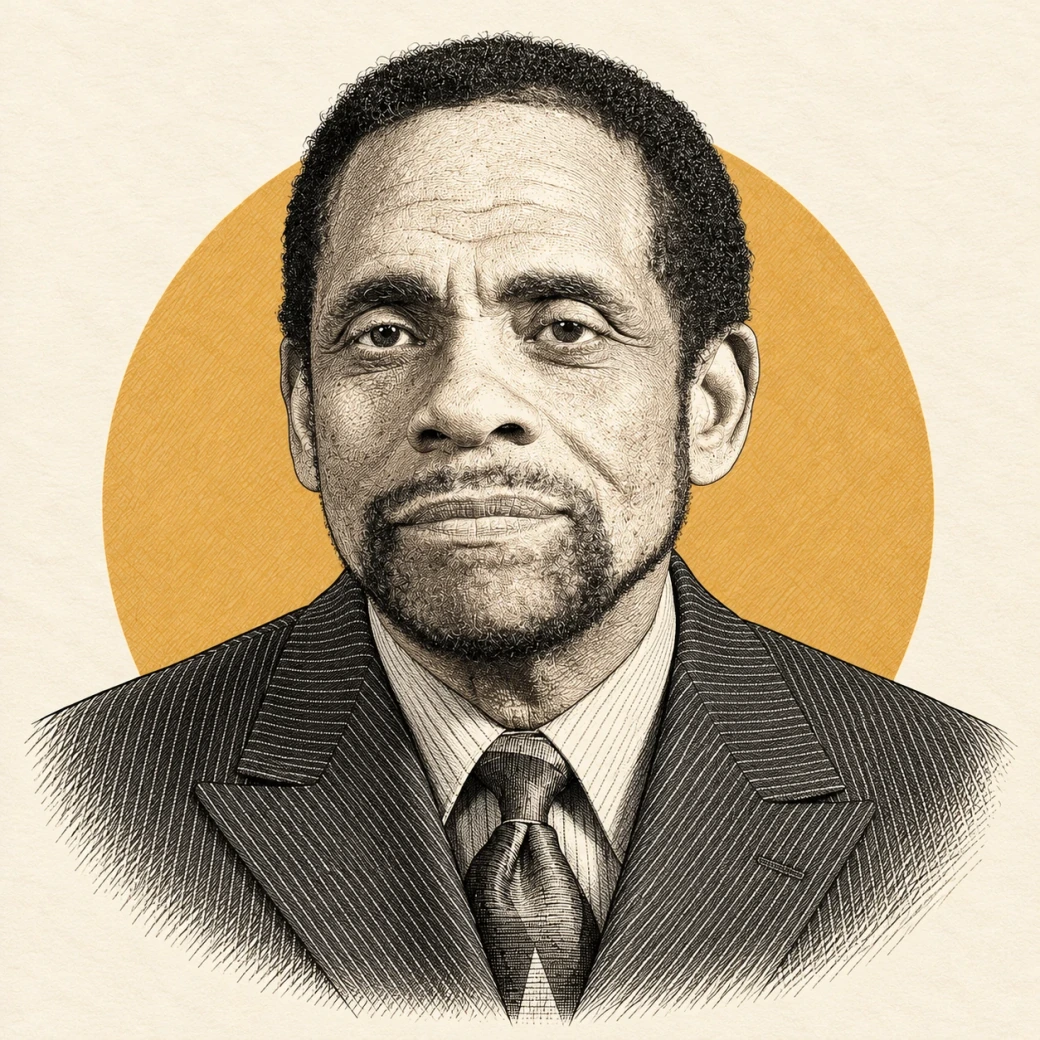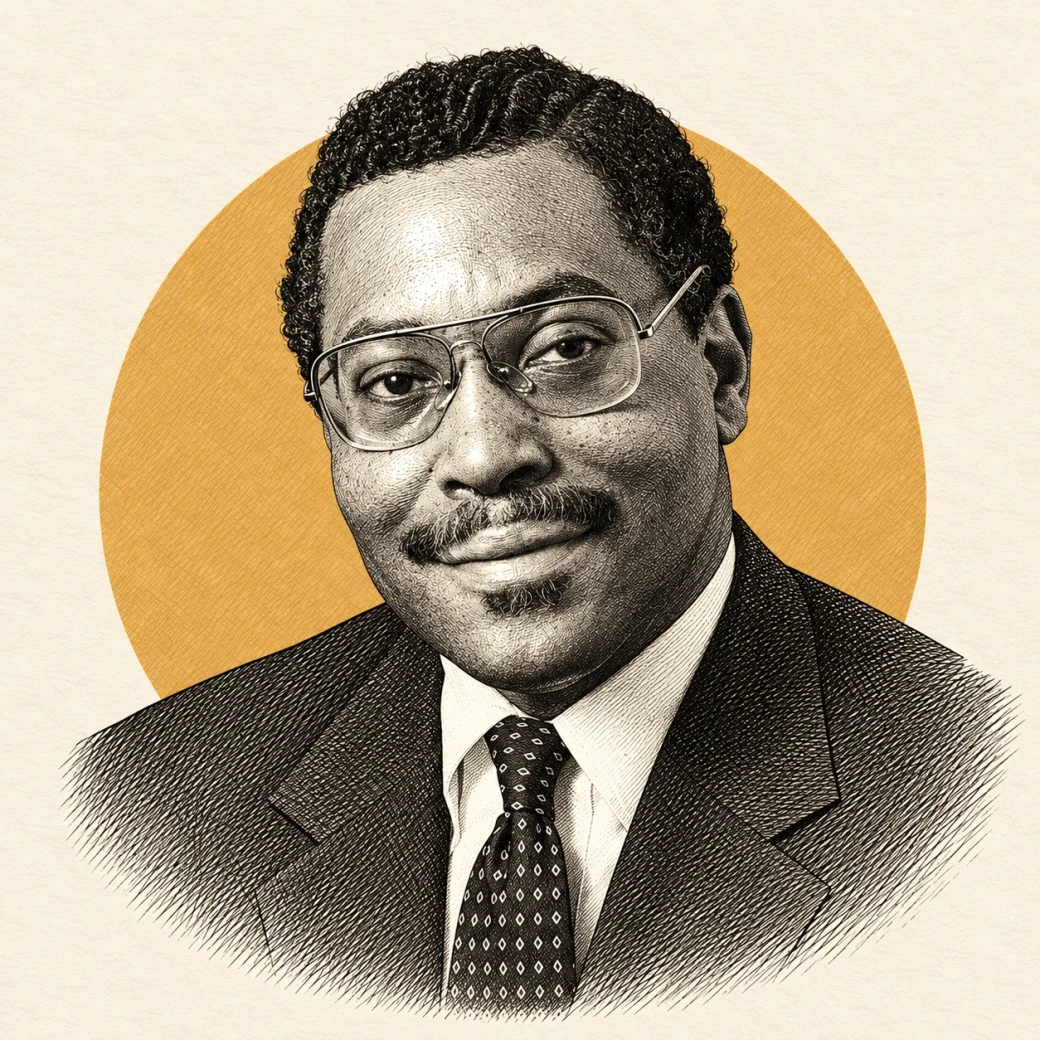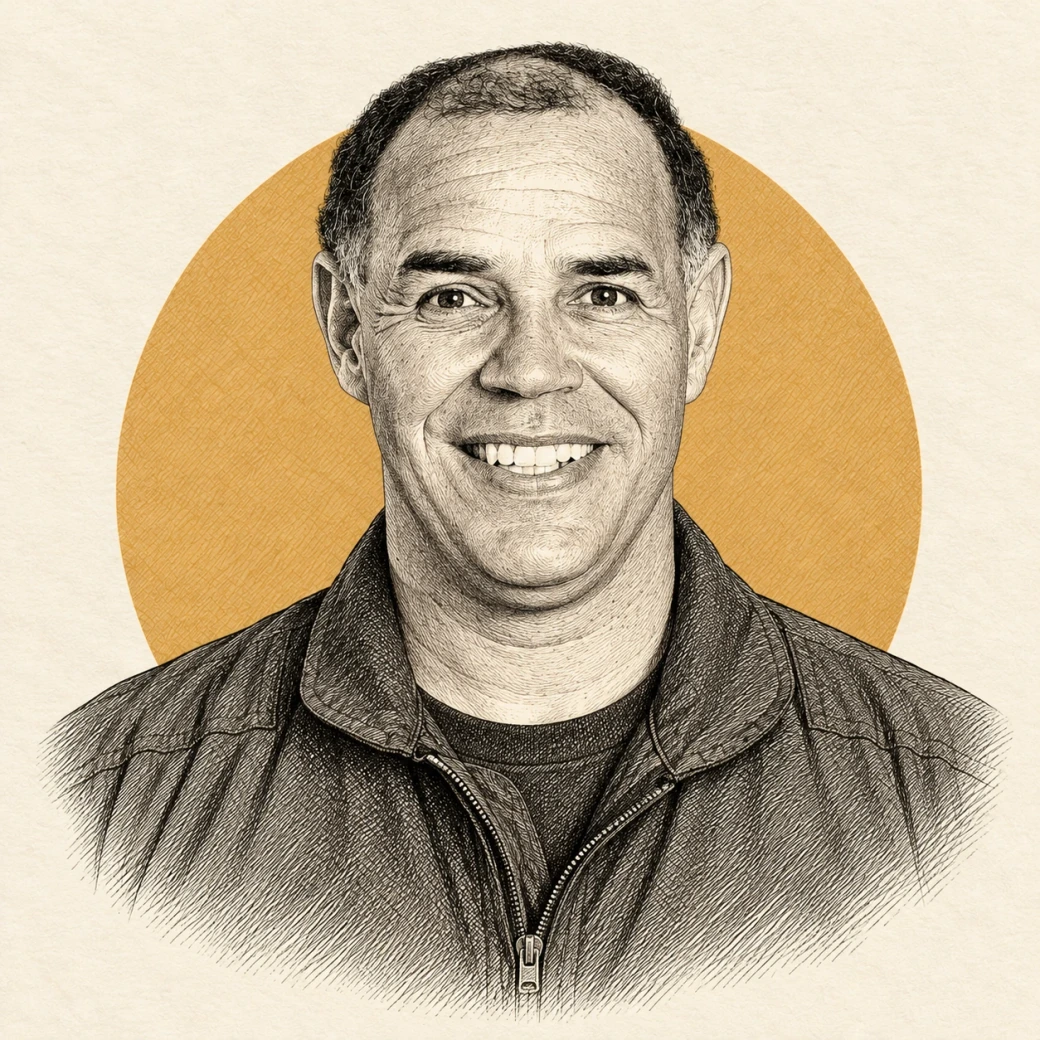
Gregory worked as a research test pilot at NASA's Langley Research Center before his selection as an astronaut in 1978. He flew three space shuttle missions: as pilot of STS-51B in 1985 and commander of STS-33 in 1989 and STS-44 in 1991. Shuttle crews combined laboratory research and satellite deployments with the operational demands of flying a reusable spacecraft, and command added responsibility for the crew and the mission plan.
The shuttle program flew 135 missions between 1981 and 2011, and its astronauts came from military test flying, science and engineering. Gregory's own path ran through the test-pilot tradition: research test flying at Langley prepared pilots to evaluate aircraft and spacecraft under conditions that could not be fully rehearsed.
His later work included agency management. Gregory became NASA's first African American deputy administrator in 2002 and served as acting administrator from February to April 2005. He left NASA in October that year, following a career spanning experimental aviation, spaceflight and public service.
Shuttle missions combined the roles of spacecraft pilot and working scientist: crews operated the vehicle, deployed satellites and ran experiments in the same flight. Test pilots learn to respond to behavior no one predicted, a skill that carried directly into shuttle command. The deputy administrator position he later held is NASA's second-ranking job, overseeing the agency's day-to-day management across its centers and programs.
Gregory entered NASA as the shuttle was being prepared for its first flight, and his career crossed the program's growth years, the assembly of the International Space Station and the agency's return to flight after its accidents. A career of that length in one agency also meant managing change: budgets, programs and priorities shifted around him, and his roles moved from cockpit to office without losing either perspective.
His stretch as acting administrator in 2005 covered a leadership transition between presidential administrations, a period when someone had to keep an agency carrying human spaceflight obligations moving.