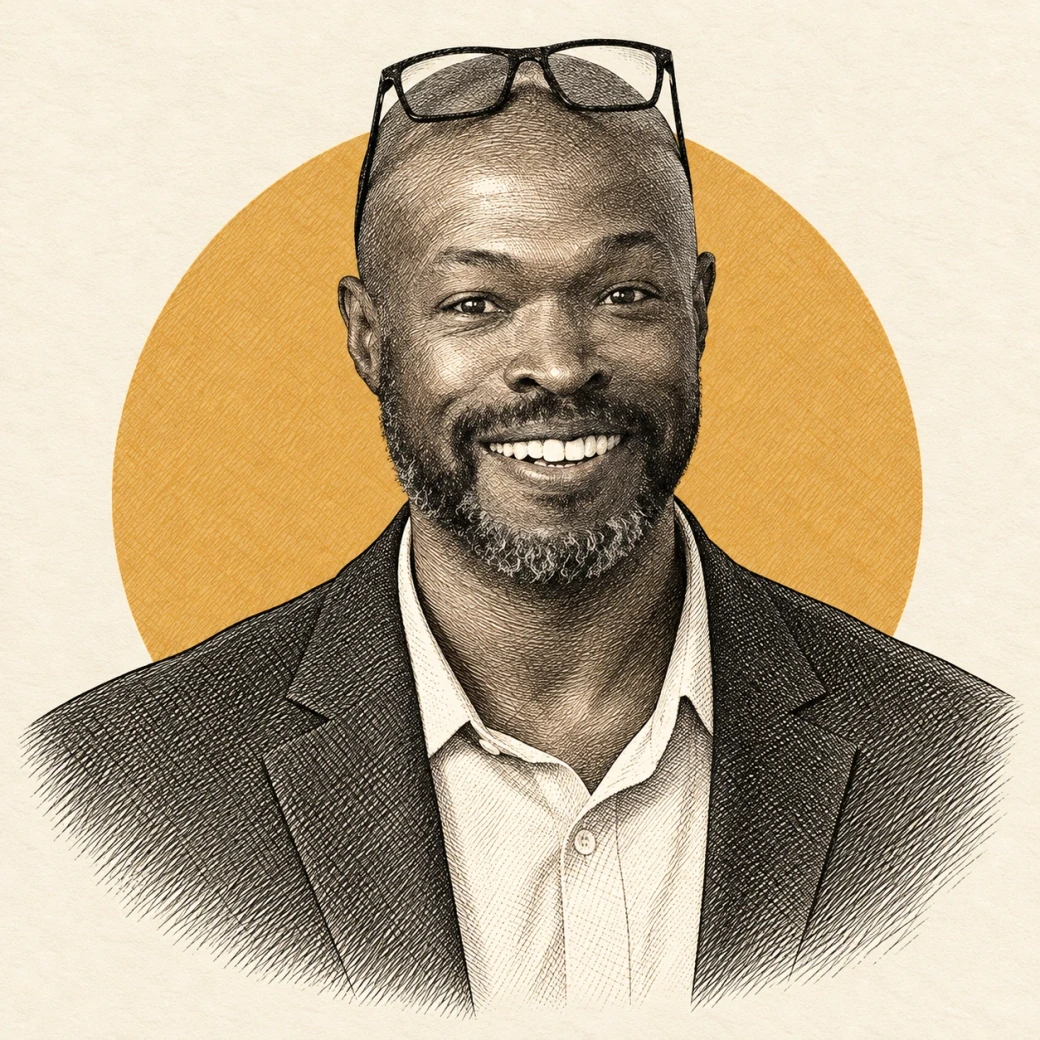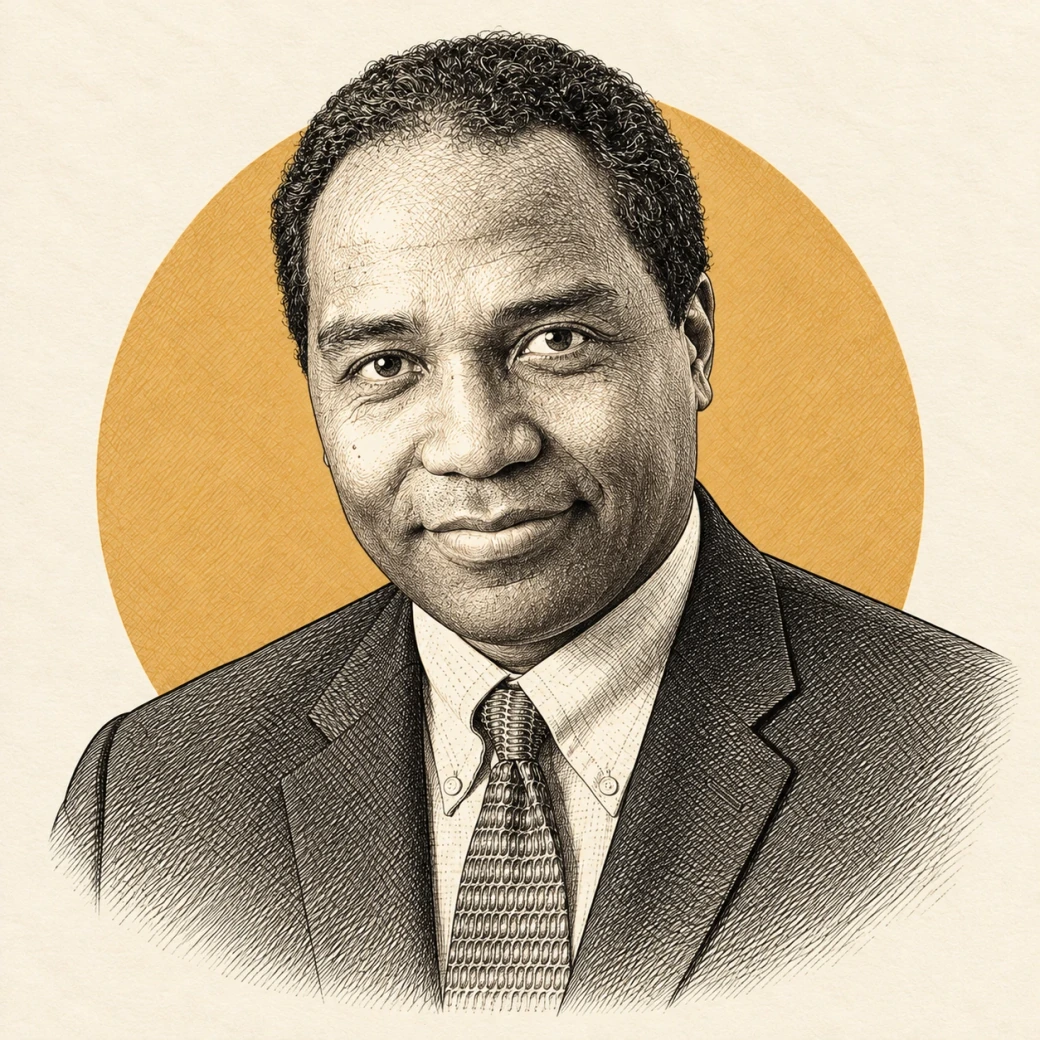
Griffin P. Rodgers grew up in New Orleans, where his mother worked as a public health nurse and his father taught health and physical education. In a 2023 interview, he recalled accompanying his mother as she visited families who could not reach a clinic during the working week. He connected those experiences with his interest in caring for underserved communities.
He also described losing three friends to sickle cell disease during high school and college. In his account, those losses helped direct him toward medicine and the study of blood disorders. The Association of American Medical Colleges includes Rodgers among prominent Black medical leaders and places those personal experiences within his later research career.
Rodgers earned his undergraduate degree at Brown University in 1976 and his medical and master's degrees there in 1979. His subsequent preparation included internal-medicine training at Barnes Hospital and Washington University in St. Louis, followed by hematology training. He later completed an MBA at Johns Hopkins in 2005, adding management education to his medical and scientific background.
At NIH, he worked with Alan Schechter and other colleagues to study hydroxyurea as a treatment for sickle cell disease. The drug already existed; their contribution concerned its use for this condition. Early clinical findings were followed by further studies, including a larger multicenter trial. The FDA approved hydroxyurea for adults with sickle cell anemia in 1998.
His work also included research on blood stem-cell transplantation. In the MedlinePlus interview, Rodgers credited John Tisdale and Matt Hsieh with leading the relevant team. Those collaborations explored another approach to the disease alongside work on medication, and they advanced through teams of investigators.
Rodgers became director of the National Institute of Diabetes and Digestive and Kidney Diseases in April 2007. The institute's research extends across diabetes, digestive conditions, kidney disease and blood disorders. Its staff biography also records his leadership of the Molecular and Clinical Hematology Branch.
Public communication became another part of his work. He has hosted *Healthy Moments*, a radio program sharing research-based health information. In discussing his career, he emphasized the need for researchers to continue learning as knowledge and technology change.