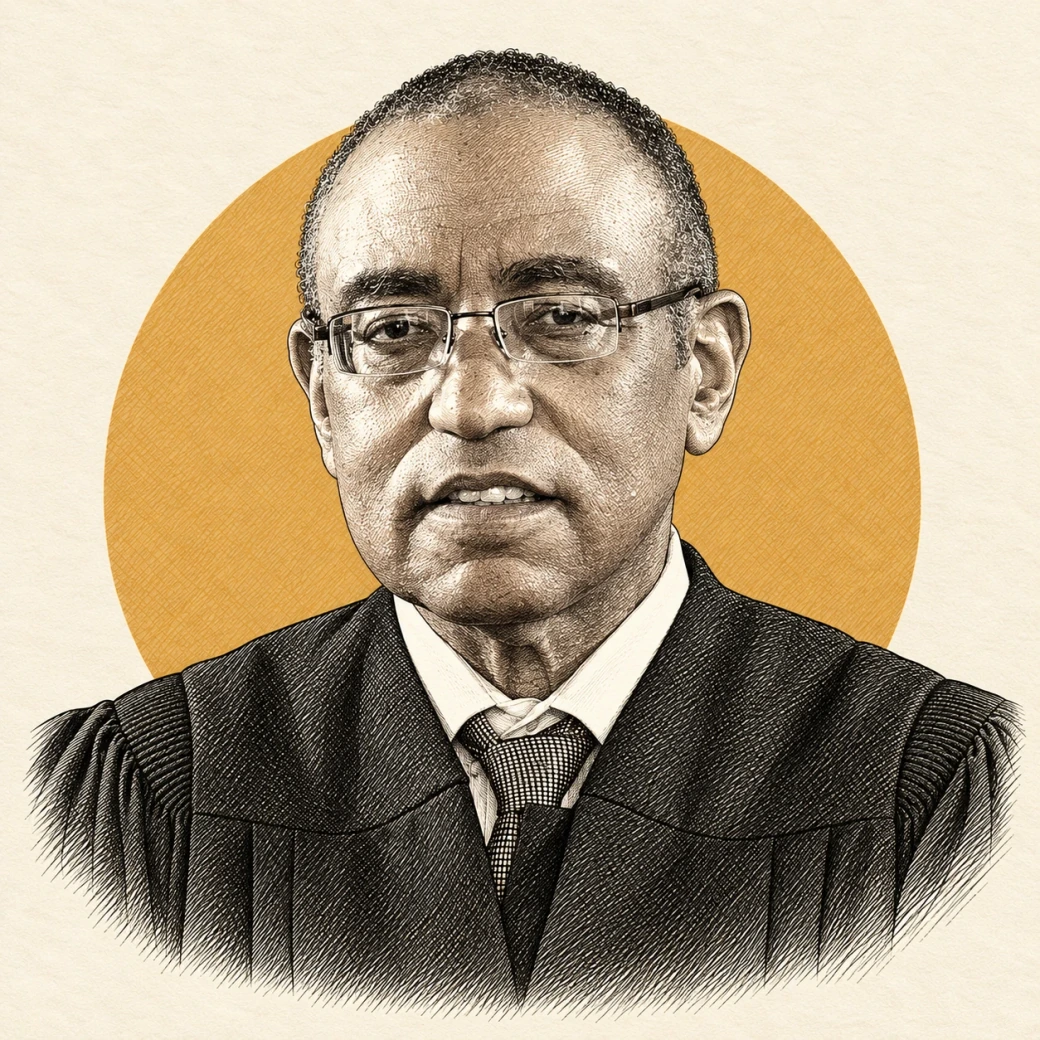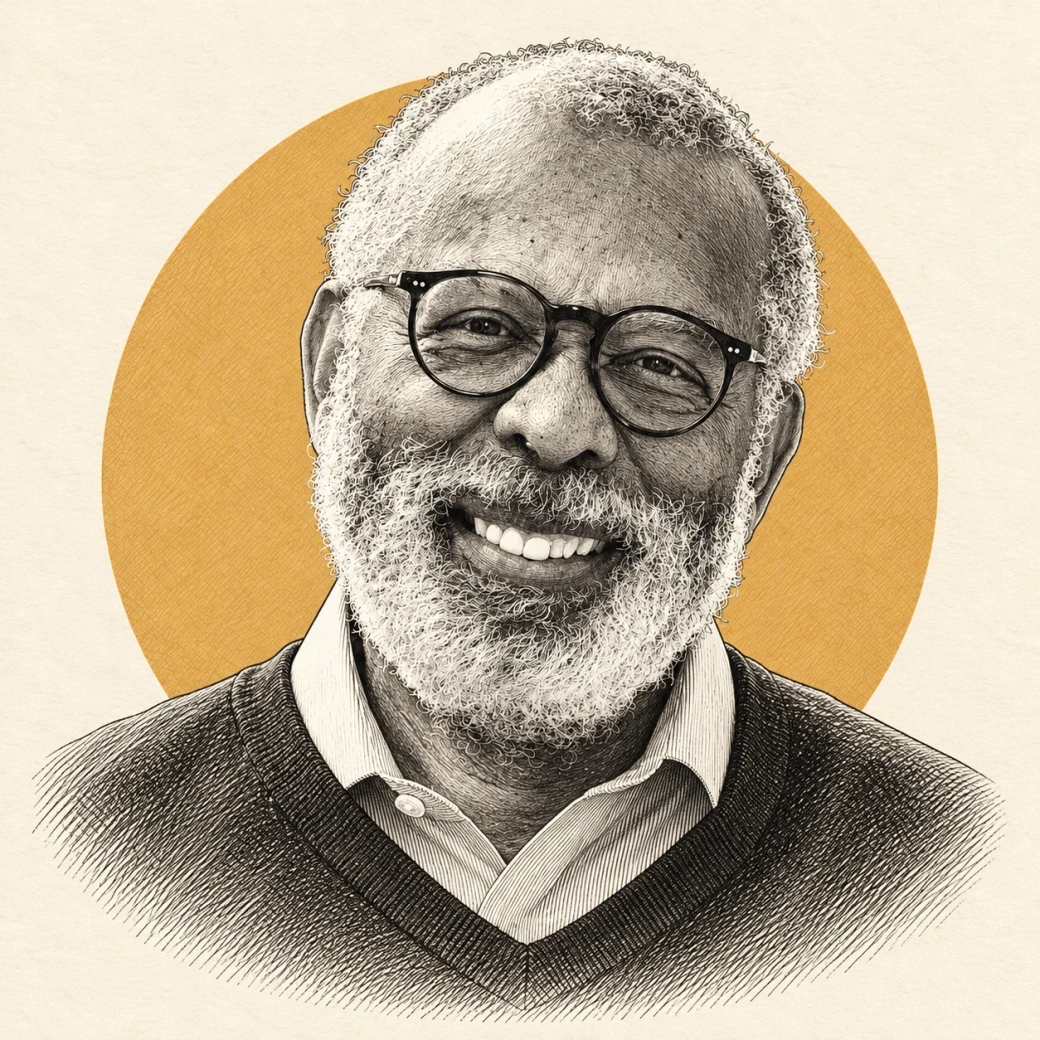
James E. Coleman Jr. studies how wrongful convictions happen and how they can be prevented. At Duke Law, he directs the Center for Criminal Justice and Professional Responsibility and co-directs the Wrongful Convictions Clinic, where students investigate cases of people who may have been convicted of crimes they did not commit. His work examines the legal, political and scientific causes of those convictions.
Coleman grew up in Charlotte, North Carolina. In his senior year of high school, he went to work as an office boy at the firm Julius Chambers had just opened there, beginning a mentorship that lasted until Chambers died. After earning his undergraduate degree at Harvard in 1970 and his law degree at Columbia in 1974, he clerked for Judge Damon Keith, the Detroit federal district judge whose civil-rights rulings reshaped school desegregation in the North. Coleman credits a series of mentors, from Chambers to Keith, with shaping how he practices law.
His own career included fifteen years in private practice, the last twelve as a partner at Wilmer, Cutler & Pickering in Washington, where he handled federal litigation and represented defendants challenging death sentences after conviction. His public-service roles included assistant general counsel at the Legal Services Corporation, chief counsel to the House ethics committee and deputy general counsel at the Education Department.
Coleman joined Duke's faculty full-time in 1996, where he holds the John S. Bradway professorship. With Erwin Chemerinsky, he started the school's appellate litigation clinic, adding to his teaching in criminal law and wrongful convictions. He chaired the American Bar Association's Death Penalty Moratorium Implementation Project and its Section of Individual Rights and Responsibilities, and he chaired the committee that reviewed the university's handling of the 2006 Duke lacrosse case. "I have felt that I had an obligation as a lawyer to be a role model, not just for lawyers of color but for young lawyers generally," he said when the North Carolina Bar Association named him a Legal Legend of Color in 2021.