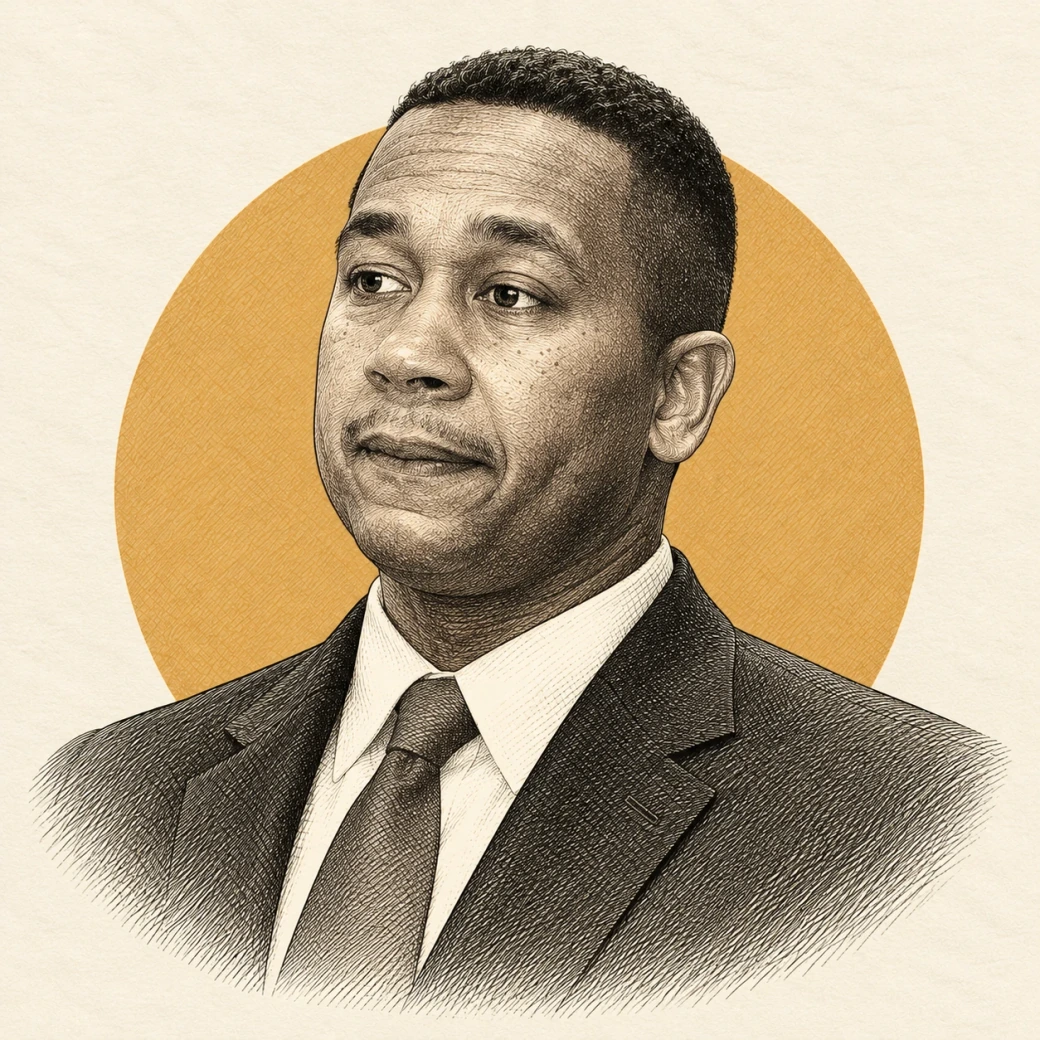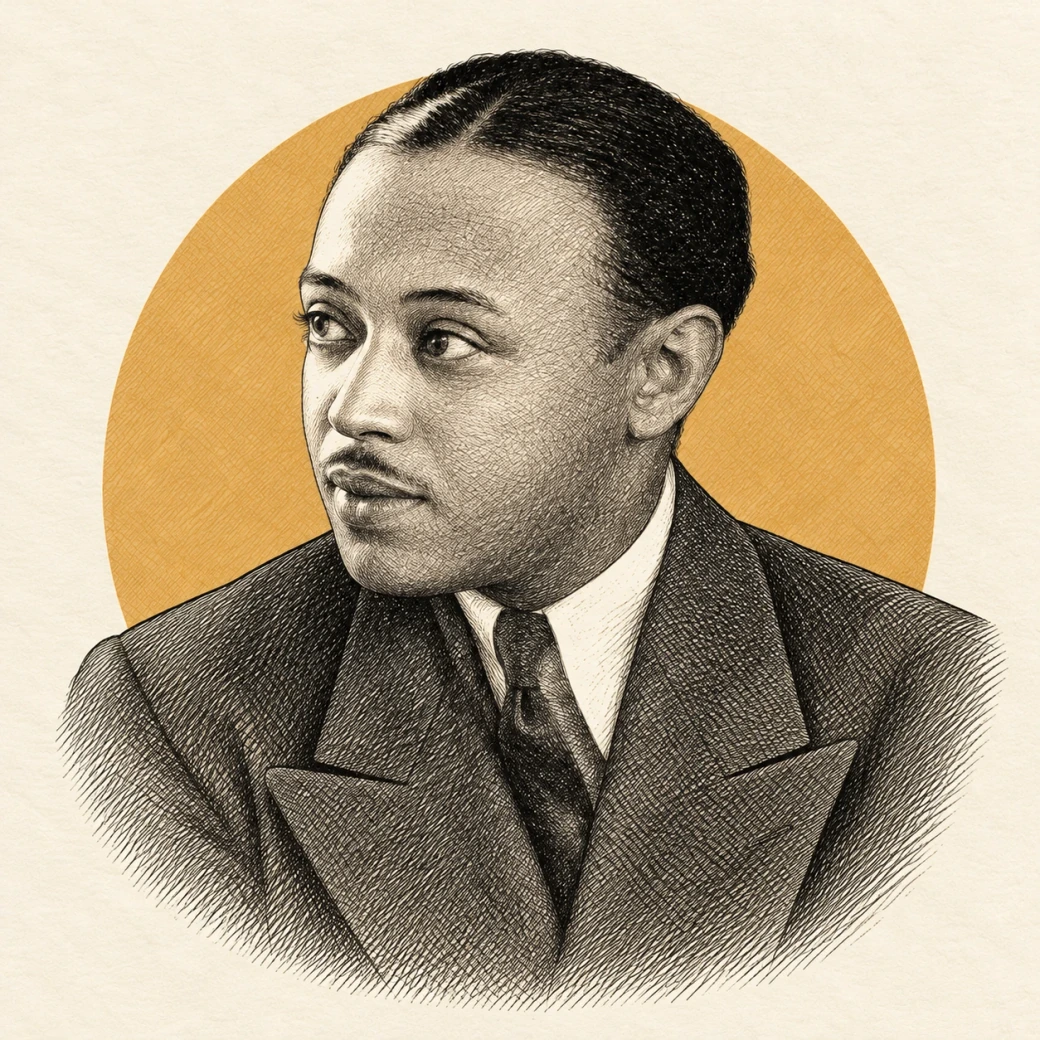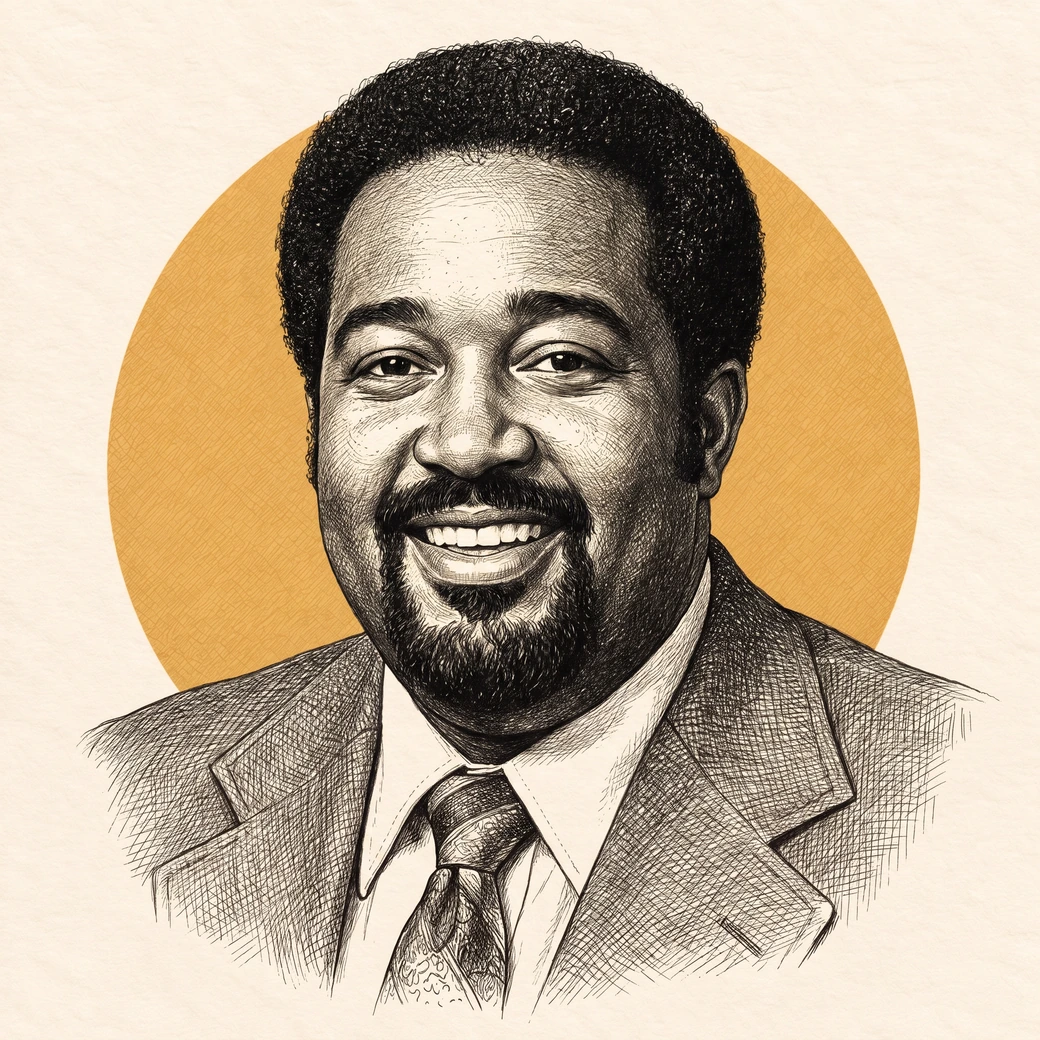
Gerald A. "Jerry" Lawson was born in Brooklyn in 1940 and grew up in Queens. As a teenager, he repaired televisions and radios and operated an amateur radio station. The Strong National Museum of Play's archival biography records studies at Queens College and City College of New York, followed by jobs in electronics. His preparation involved both formal study and practical work with equipment.
Lawson joined Fairchild in 1970. After managers learned that he had built a coin-operated game called Demolition Derby, they asked him to work on a home-console prototype. The engineering challenge included making interchangeable memory devices usable without damaging the console's electronics. The resulting Fairchild Channel F reached the market in 1976.
The achievement was collaborative. Historian Jeremy Saucier's museum account explains that Lawson led a team that developed an Alpex Computer Corporation prototype into the Channel F, the first home video-game console using interchangeable game cartridges. Before the Channel F, games were built into the machine they ran on; interchangeable cartridges meant players could buy new games and expand a console's library, an arrangement the industry adopted widely in the years that followed.
Lawson later established Video Soft with colleagues including Stephen Yeung and Daniel McElroy. The business developed software for the Atari 2600 and worked on projects for Amiga. Some designs explored three-dimensional imagery or new controllers. Then the video-game market crashed in the early 1980s, canceling planned games and squeezing small studios like his.
The downturn did not end his work. In 1984, Video Soft released a Color Bar Generator cartridge used by television repair shops and electronics enthusiasts. The company closed later that decade, and Lawson carried on as a consulting engineer.
Lawson's later recognition included a 2011 honor from the International Game Developers Association. He died that April. His son subsequently donated papers to The Strong, where the collection includes design records and business documents that make the work of Lawson and his colleagues available for historical study.
A Google Doodle created with his children's participation celebrated his eighty-second birthday in 2022. Their accompanying account recalled his encouragement of young people interested in science and technology.