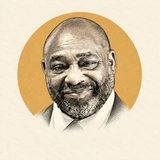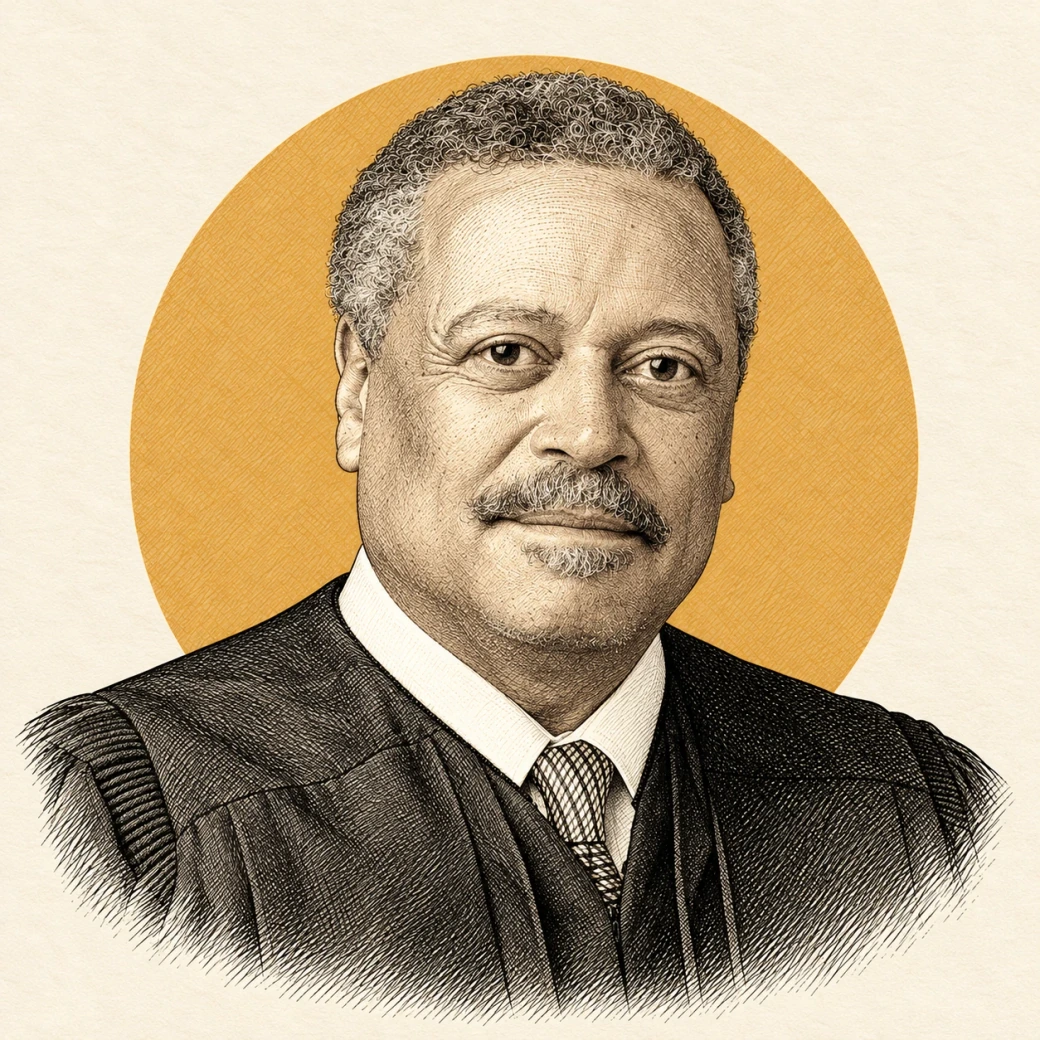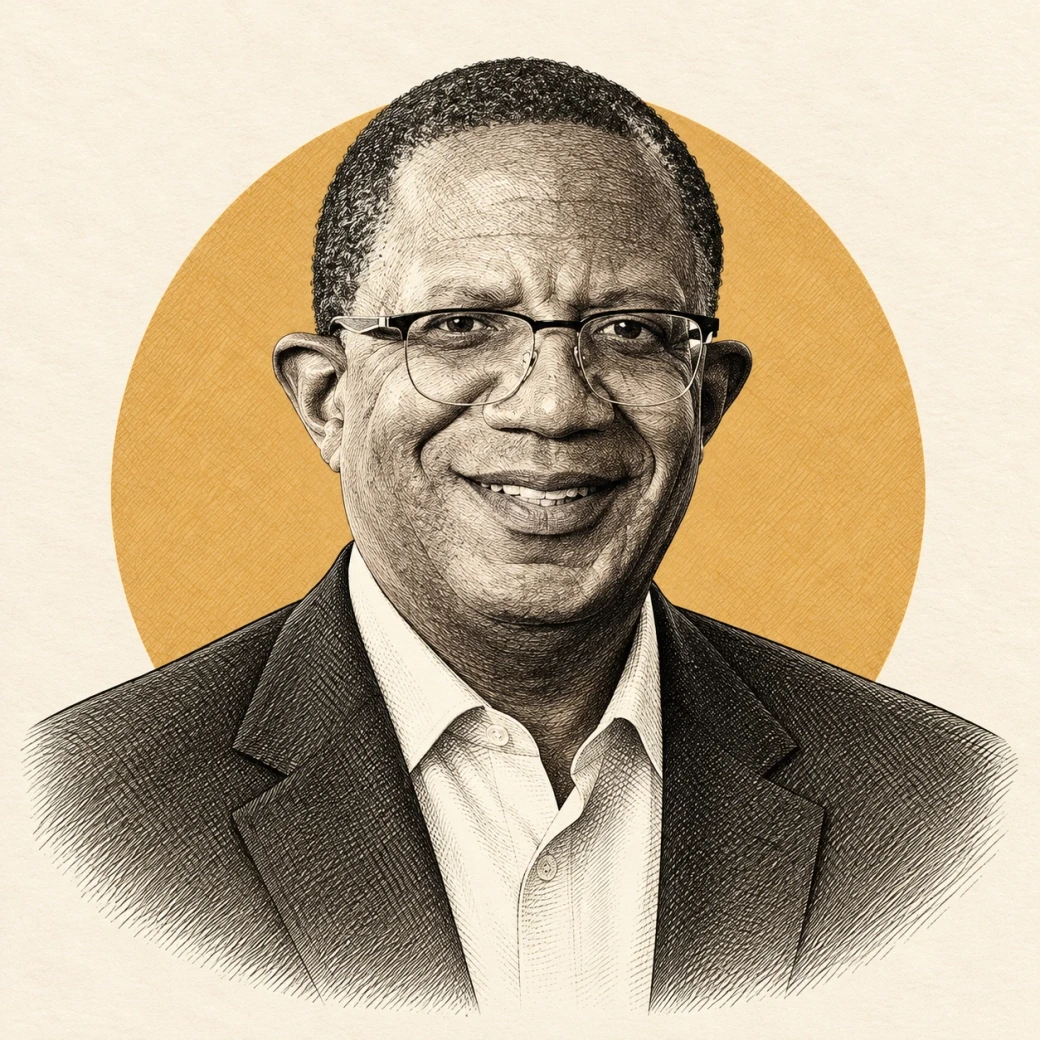
On September 19, 2022, Selwyn M. Vickers started as the 11th president and CEO of Memorial Sloan Kettering Cancer Center, one of the country's major cancer hospitals. The Cancer History Project noted that he was then one of three Black directors of an NCI-designated comprehensive cancer center.
Vickers was born in Demopolis, Alabama, and grew up in Tuscaloosa and Huntsville. As a boy, he helped his father salvage copper in a junkyard for extra money. He later recalled a family in which education took persistence: his grandmother spent ten summers earning her bachelor's degree, and his grandfather learned to read and write at 44. His mother, an educator, lost a teaching job for resisting segregation. When he was 15, his uncle became one of the first physicians to graduate from Stillman College, a historically Black school in Tuscaloosa.
Vickers earned his bachelor's degree in 1982 and his medical degree in 1986, both from Johns Hopkins, where he also trained in surgery. His career took him to the University of Alabama at Birmingham, where he became senior vice president for medicine and dean of the University of Alabama School of Medicine.
His research has focused on pancreatic cancer, one of the hardest cancers to treat. He coauthored the preclinical studies behind Minnelide, an investigational drug derived from a compound in a Chinese herb, designed to target tumor cells. His work also advanced approaches to targeting pancreatic tumor stem cells.
He has also worked on who gets included in medical research. Vickers helped establish EMPaCT, a network aimed at increasing minority participation in clinical trials, and the Center for Healthy African American Men, which brought researchers and communities together to develop and test ways to improve men's health. In a Cancer History Project interview, he described health equity as the most challenging burden of academic medicine, a framing drawn from experience at both an HBCU-adjacent public university and one of the nation's best-funded cancer centers.
Colleagues describe him as an internationally recognized pancreatic cancer surgeon and researcher, a gastrointestinal surgical oncologist by training. In 2024, he was among the finalists for Top Blacks in Healthcare honors.
Sources and further reading
- 8 prominent Black leaders in medicine
- Black History Seen Through the Remarkable Family of Dr. Selwyn Vickers
- President Selwyn M. Vickers
- Selwyn Vickers: Health equity is the most challenging burden of academic medicine | Cancer History Project
- Selwyn Vickers | UAB Department of Surgery
- Meet UAB's Selwyn Vickers | The Birmingham Times